Ordinary sites make the best charging locations

If drivers already stop at a site, or pass it in numbers every day, charging may fit. We assess at no cost and give a straight answer.

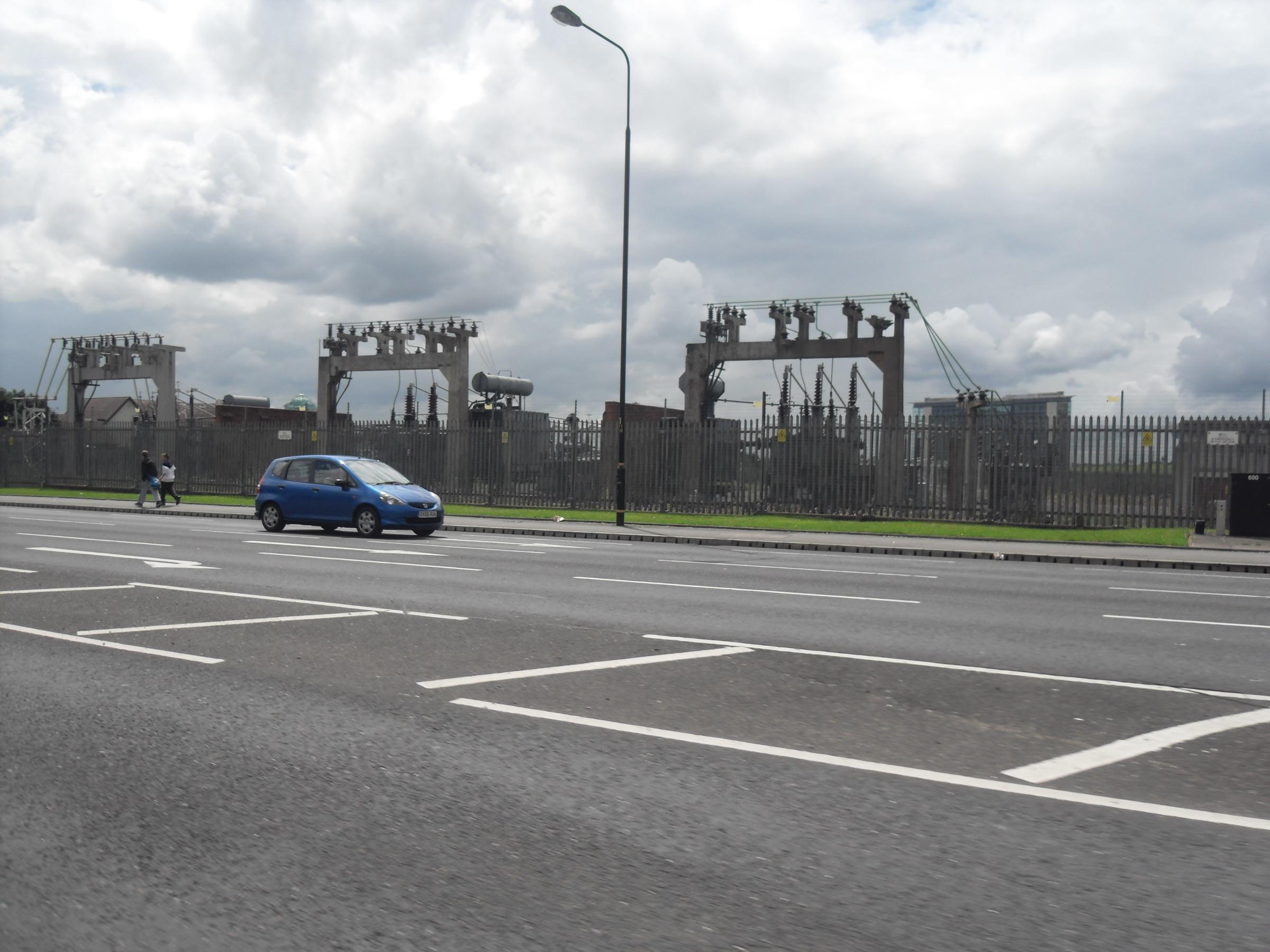
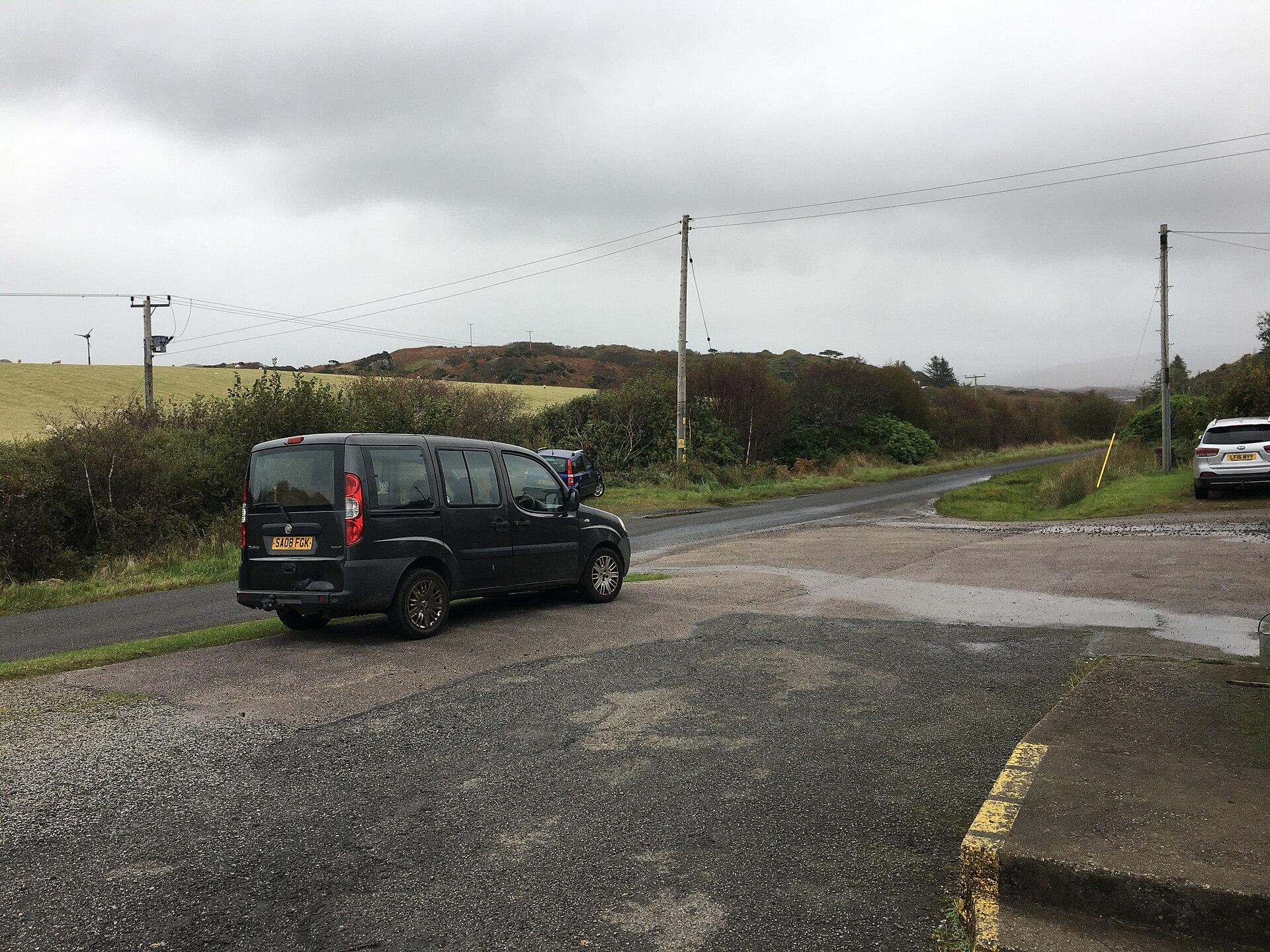
An empty tarmac car park with marked bays

Six settings

Where charging tends to work

Different settings with one thing in common: drivers who have already stopped, on land with power within reach.

Car parks

Site type

Car parks

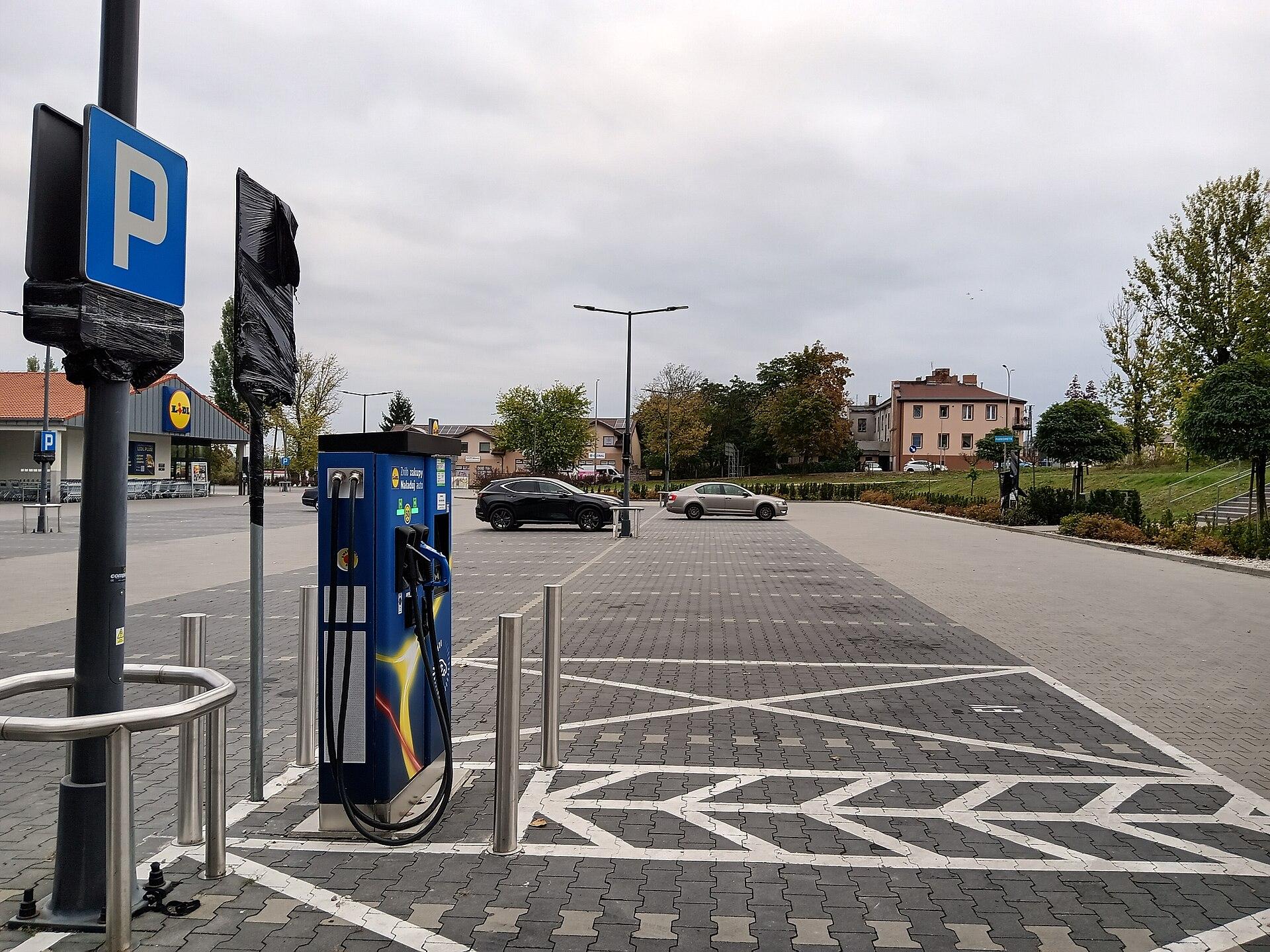
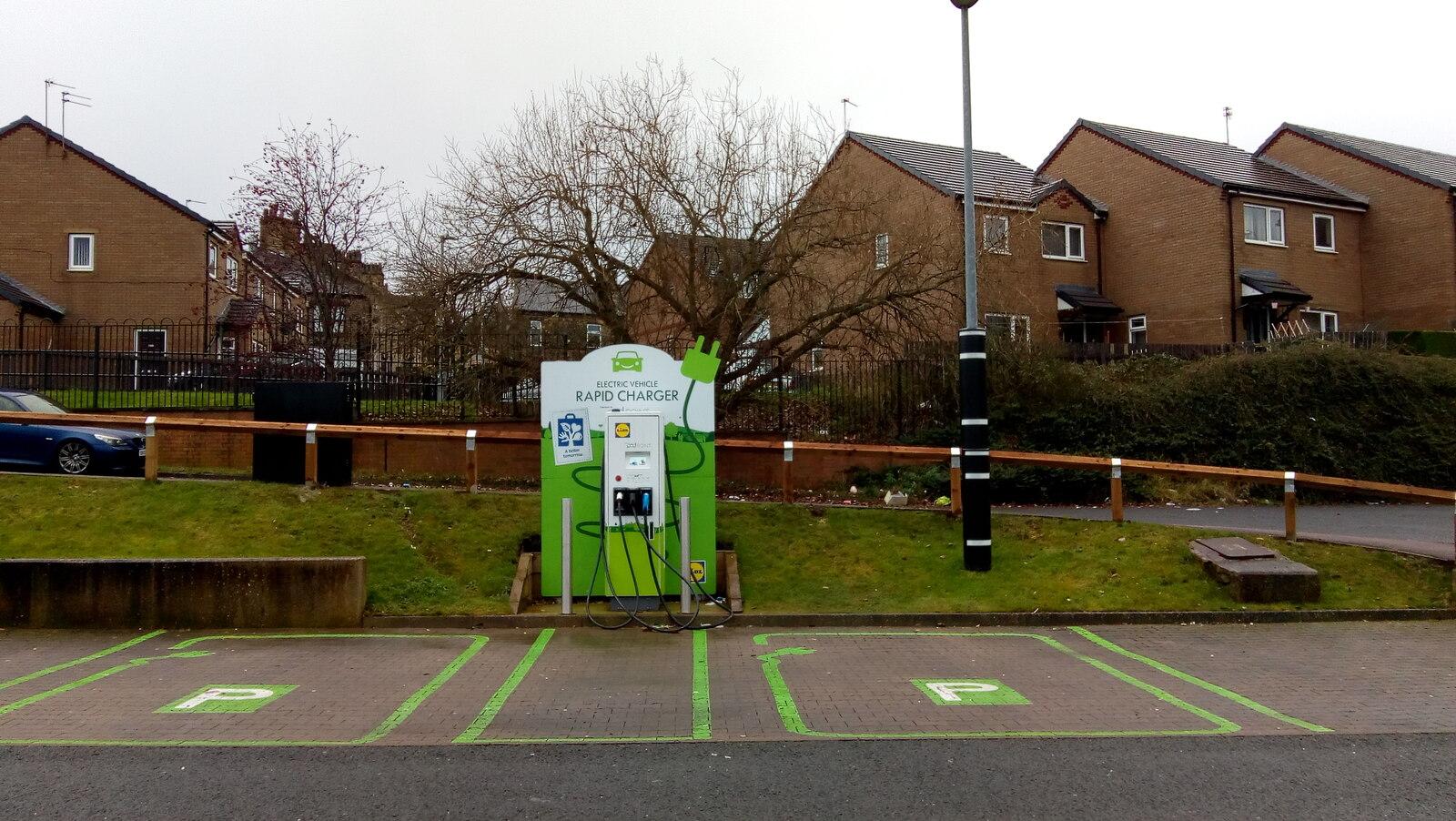
A car park already has most of what an operator needs: hardstanding, marked bays and drivers who have stopped. Converting a handful of bays rarely changes how the rest of the site works. Public, private and workplace car parks all qualify.
Retail parks

Site type

Retail parks

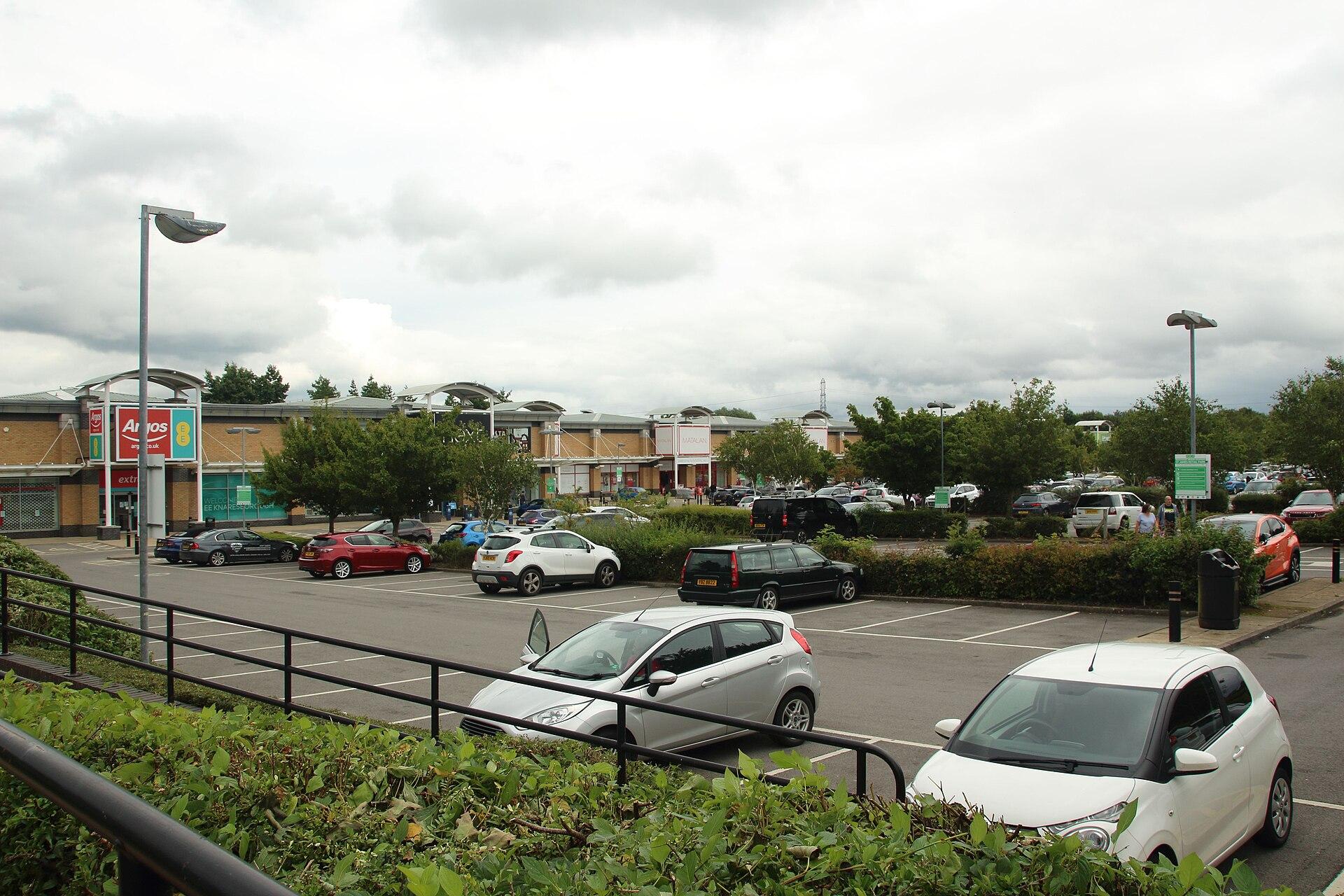
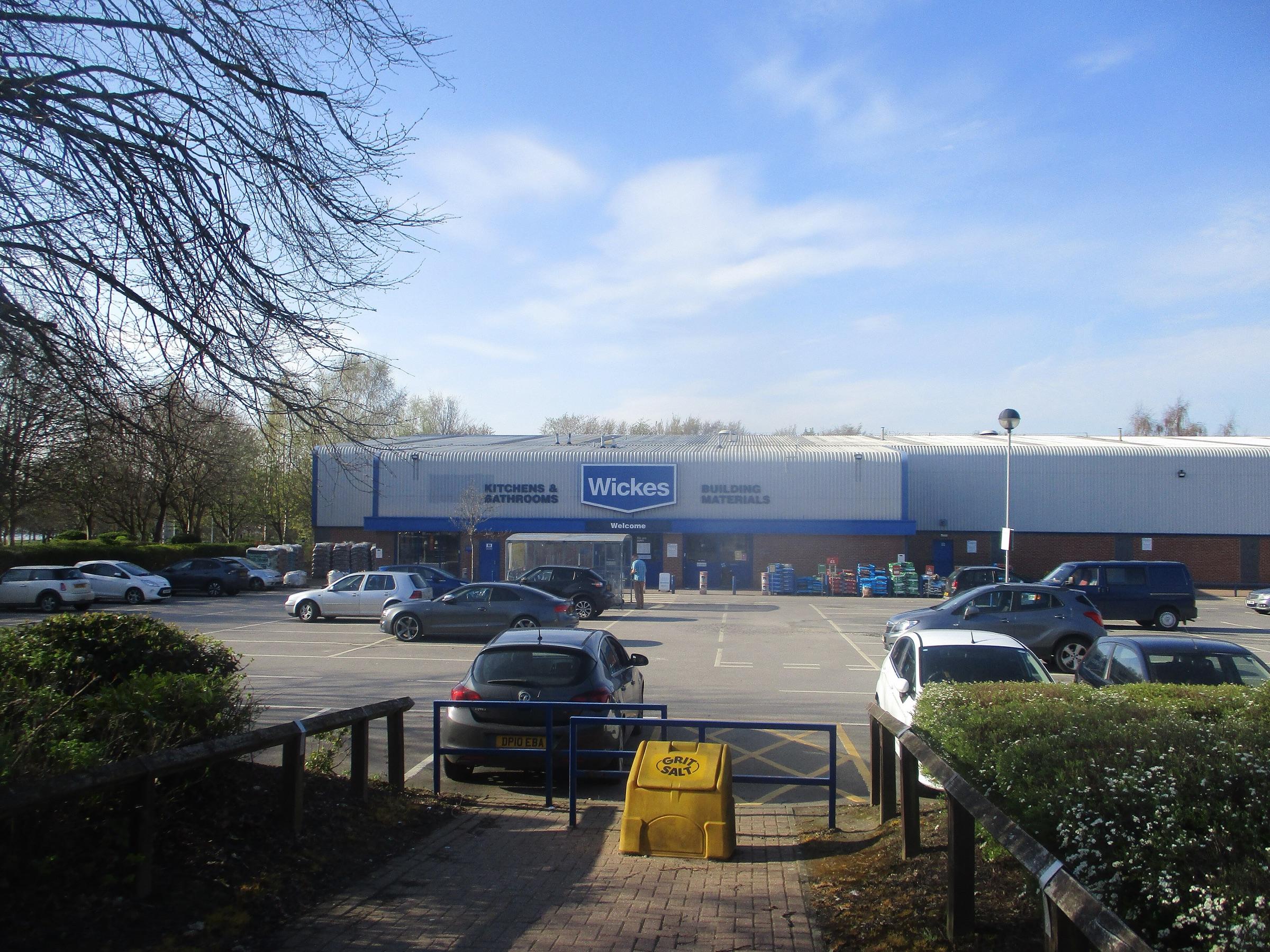
A rapid charge takes roughly as long as a shop, so the two fit together naturally. Operators value retail parks for steady, repeating footfall, and the chargers become one more reason to pull in.

Petrol stations

Site type

Petrol stations

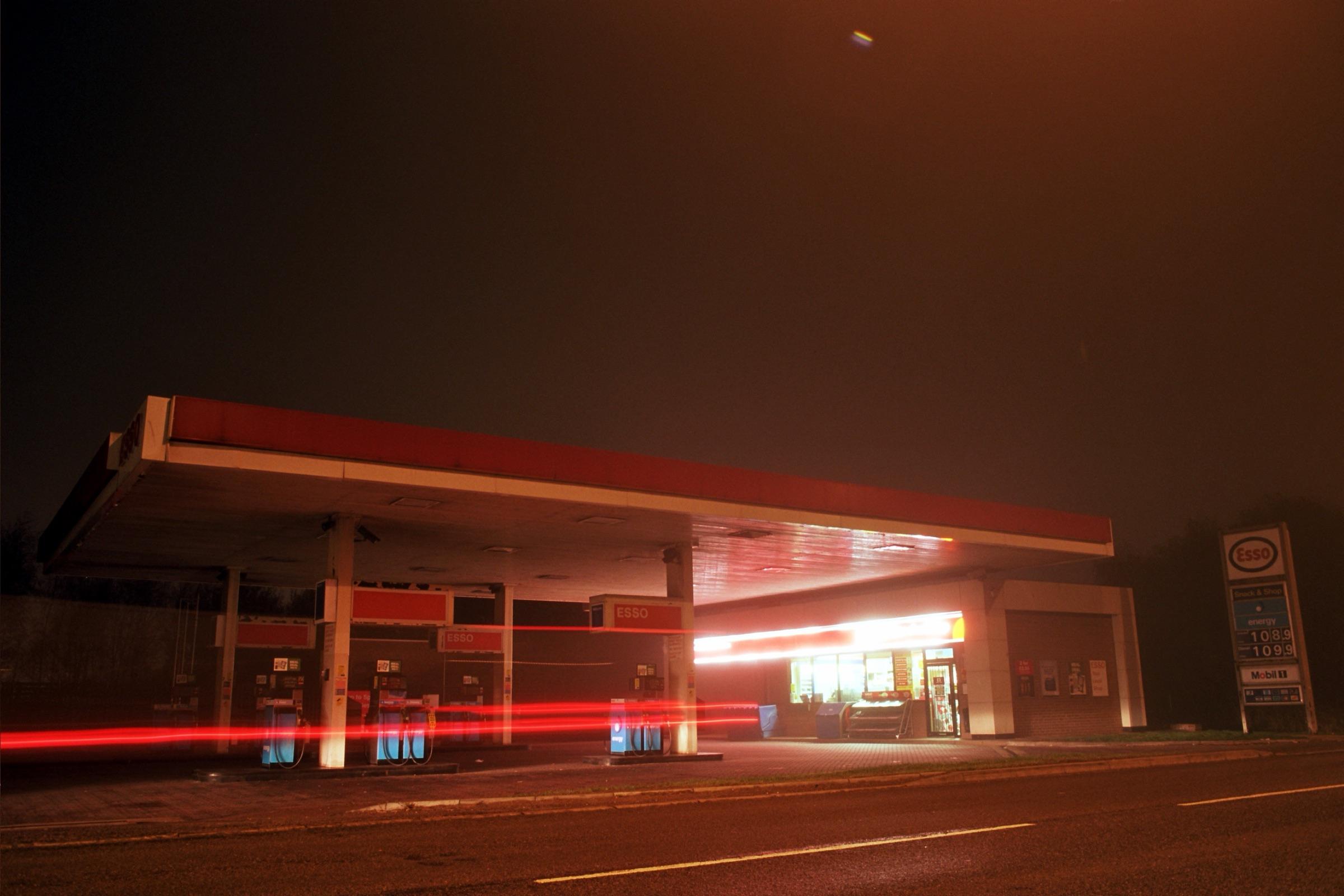
An independent forecourt is a plot drivers already turn into without thinking. Adding charging alongside fuel keeps the site earning as the vehicle mix changes, with the operator carrying the cost.

Roadside land

Site type

Roadside land

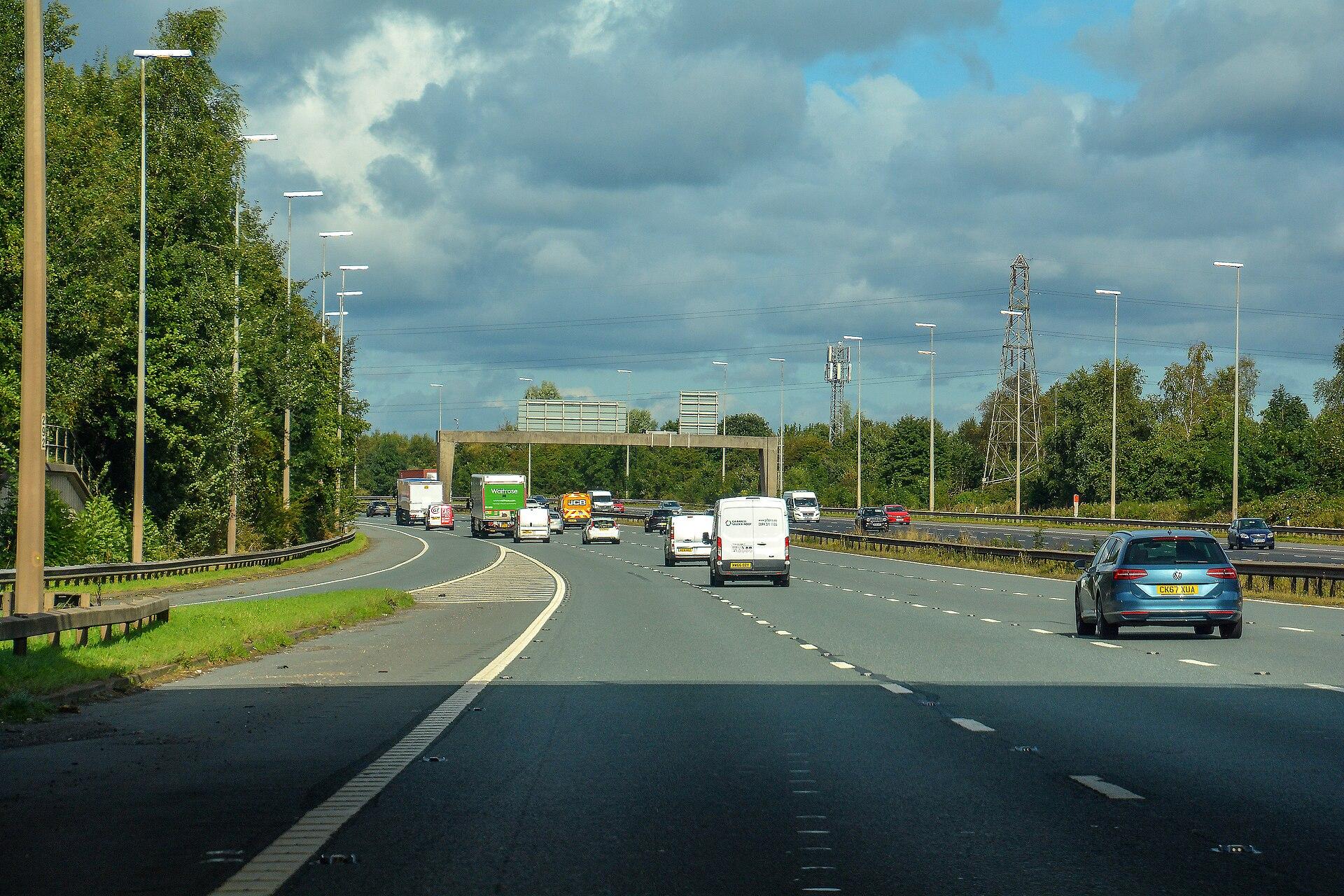
A plot on a busy route can be worth more to a charging network than to most other occupiers. Traffic volume and visibility from the road are the measures that count, and high-power operators build on this kind of land.

Drive-thrus

Site type

Drive-thrus

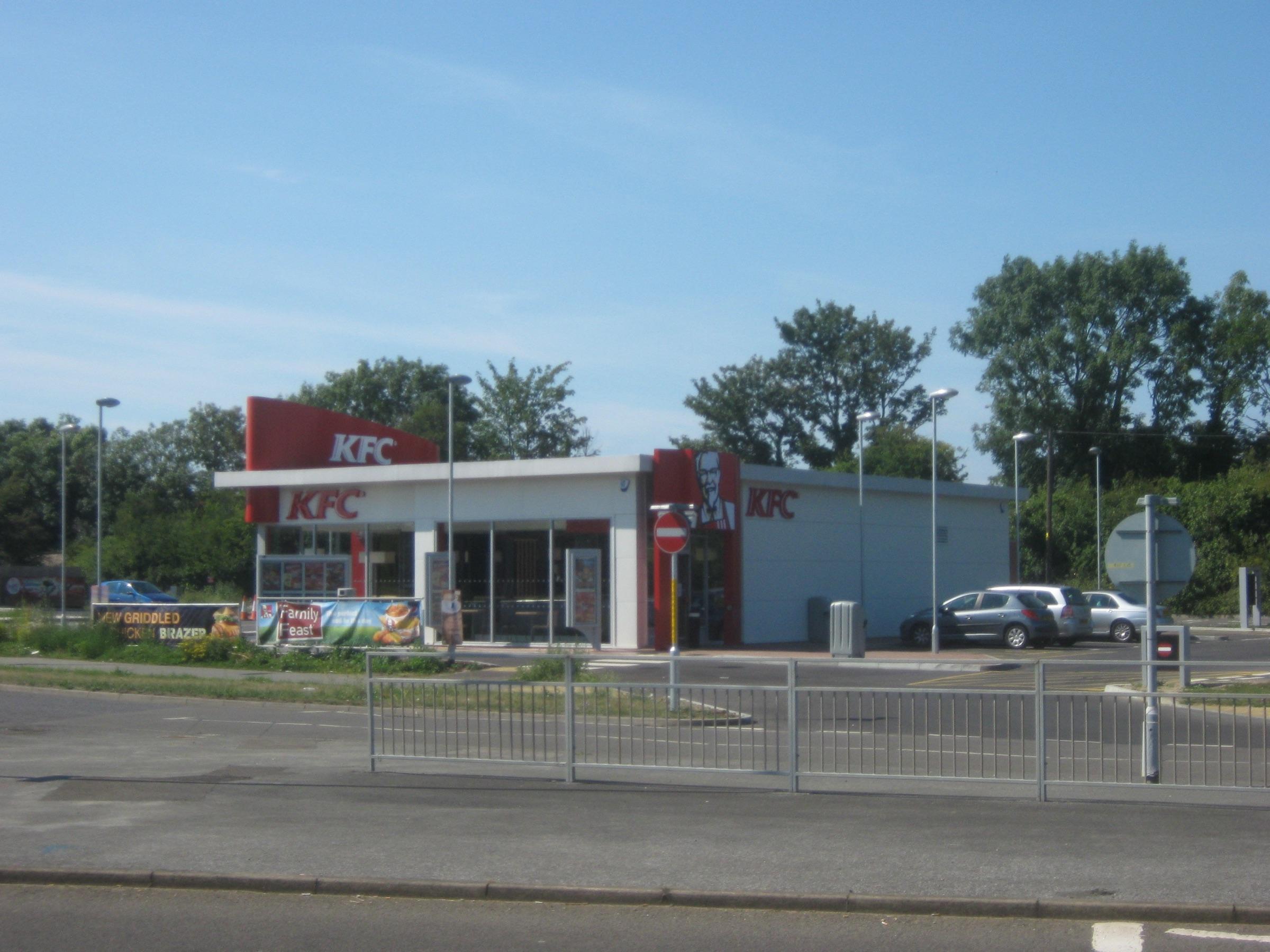
A drive-thru visit is close in length to a rapid charge, and that overlap is what operators look for. A few converted bays at the edge of the car park are usually enough to start.

Pubs & hotels

Site type

Pubs & hotels

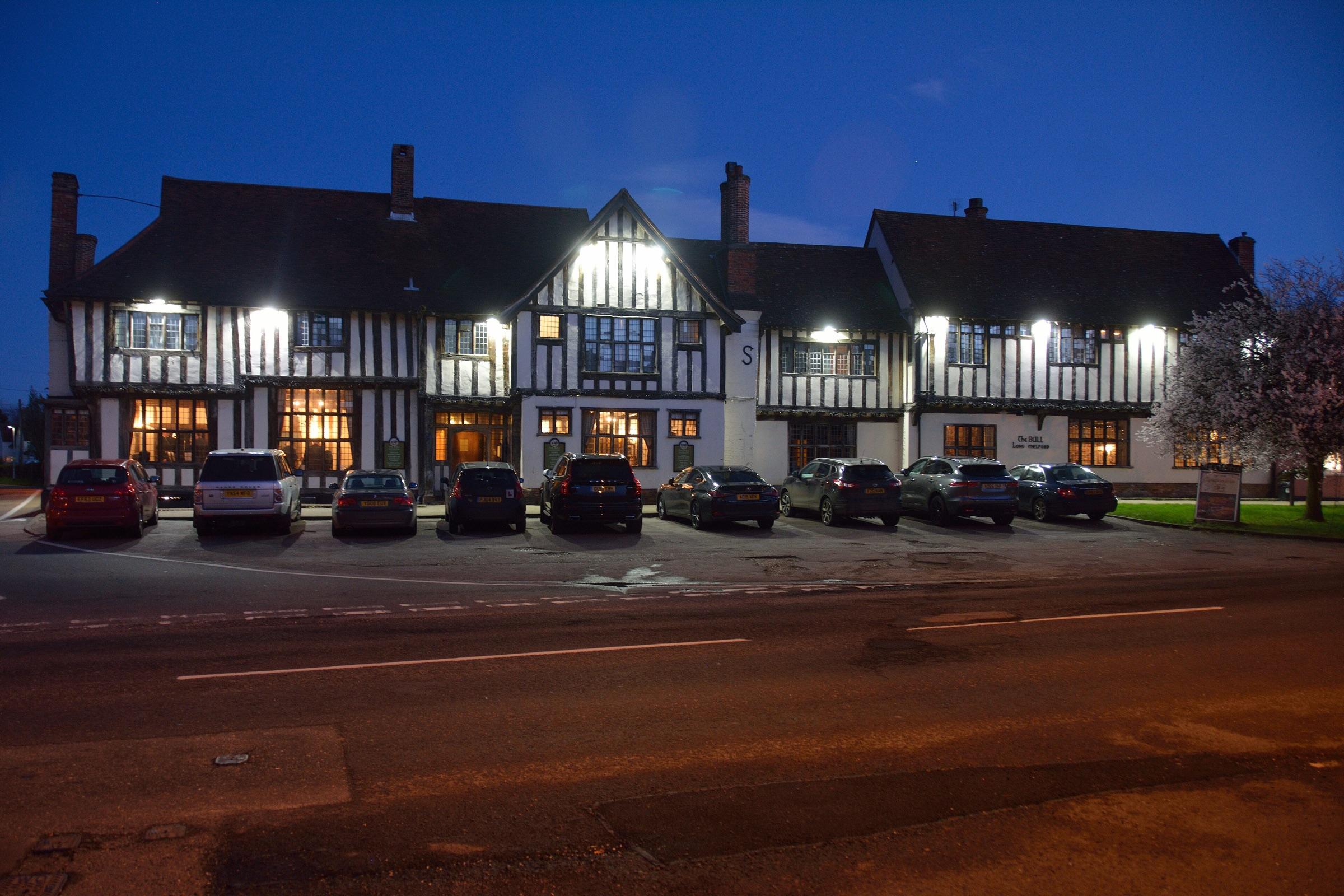
Dwell time is longest here: an hour over lunch, or a whole night. Overnight stays suit charging well, since the car charges while the guest sleeps, and a visible charger gives passing drivers a reason to stop.

What operators look for

Drivers who stay, or drivers who pass

A charging site earns in one of two ways. Either people already stay a while, at a pub, hotel, shop or restaurant, and plug in while they do. Or the site sits on a road busy enough that drivers stop because they need to.

The best sites have some of both. We look at how long visitors stay and how much traffic passes, and an operator will want to see the same before it commits to building.

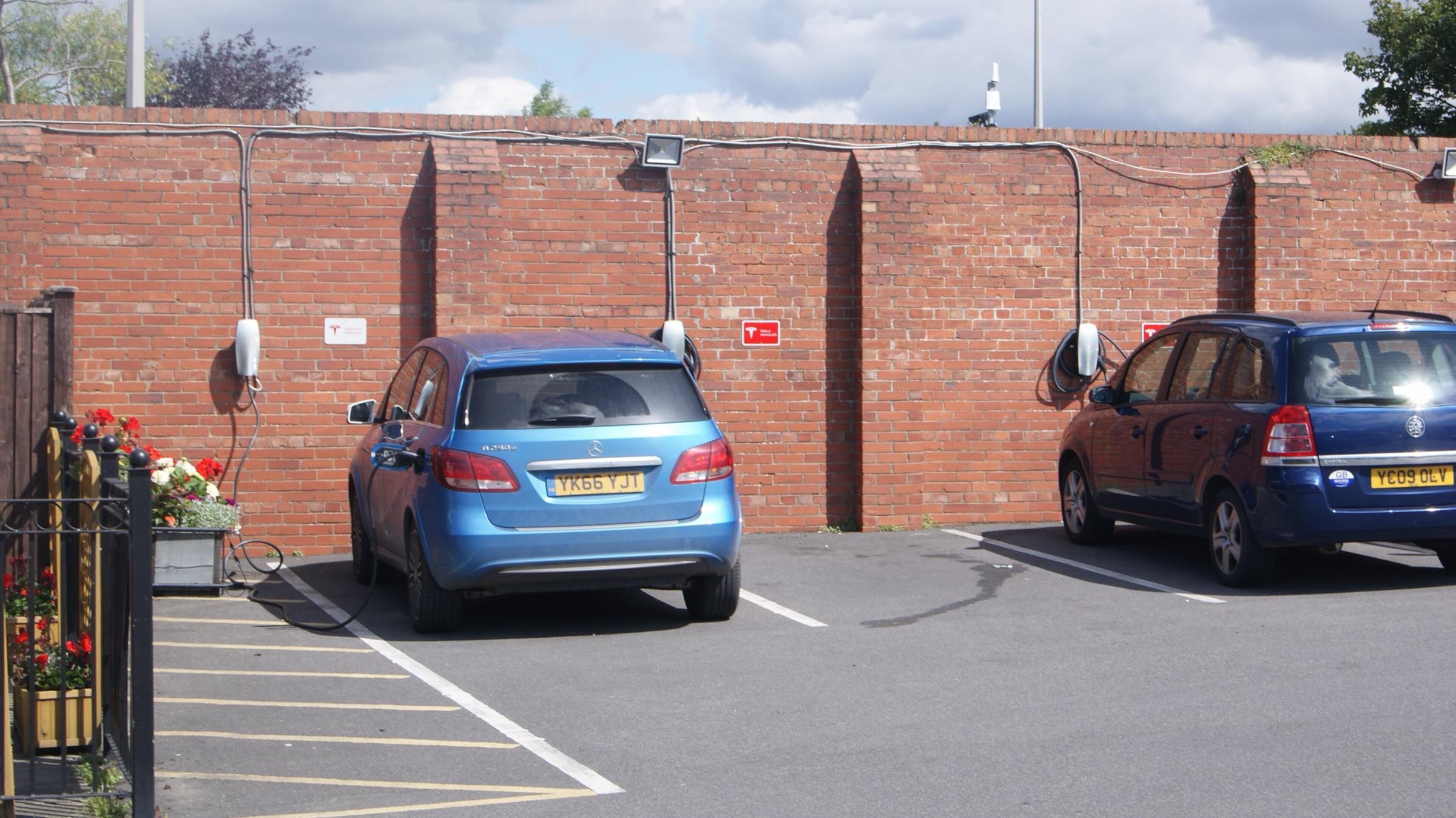
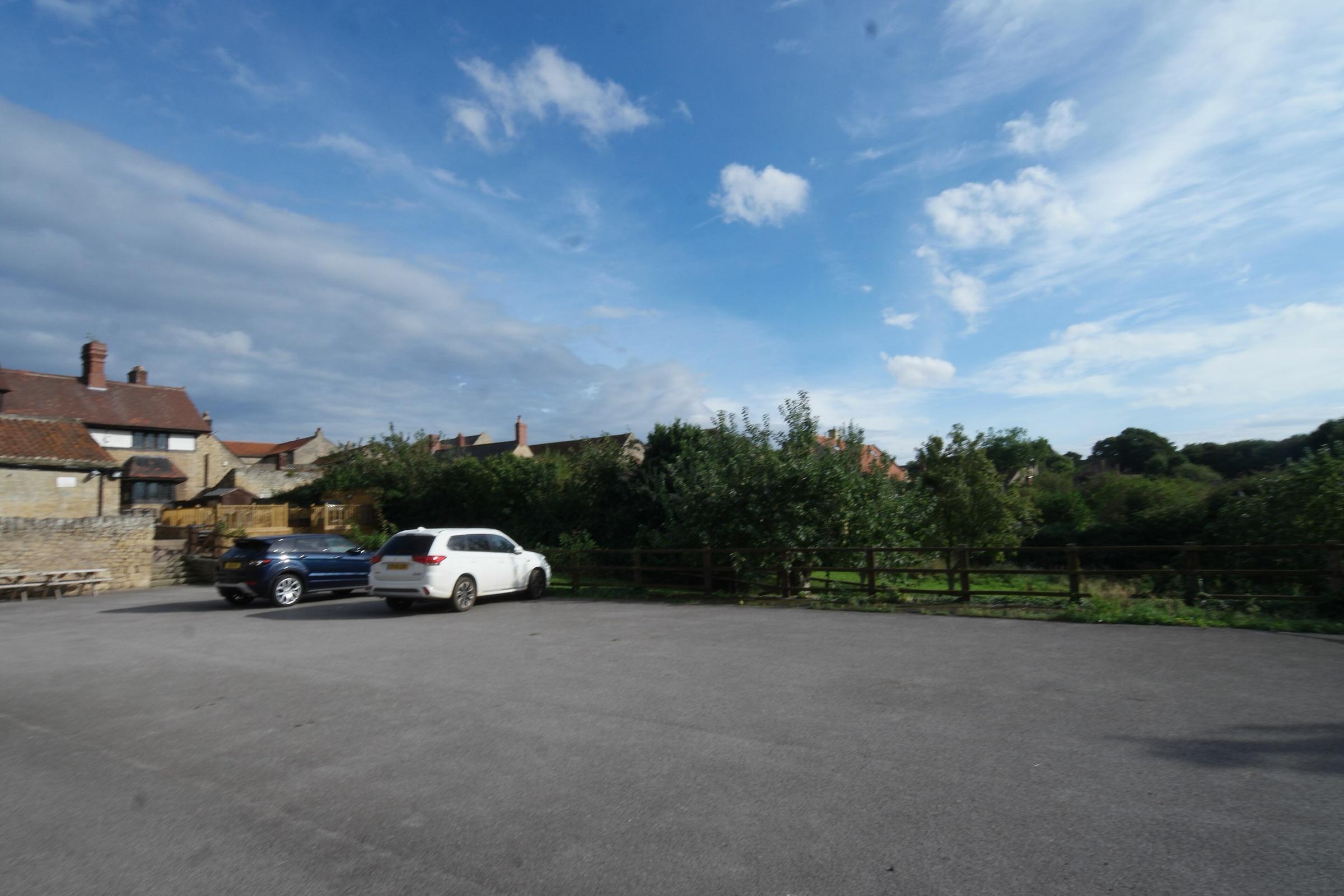
Two cars parked at a charging point behind a pub

Assessment

Five things we check first

A site doesn't need all five. Power decides most cases, and it is the first thing we look at.

An electricity substation behind security fencing

Grid capacity near the site is the first thing we check.

  1. Power within reach

    A viable grid connection nearby. This decides more sites than everything else combined, which is why we check it before anyone visits.

  2. Straightforward access

    Drivers need to get in and out without effort. A simple entrance matters more than a grand one.

  3. Visibility

    Chargers that can be seen from the road get used. A site drivers find without a map earns more for everyone involved.

  4. Dwell time or daily traffic

    Either works: people who already stay fifteen minutes or more, or a steady flow of vehicles on the road outside.

  5. At least a couple of convertible bays

    Operators build in multiples, but the starting point is small: two or more bays you could give up without disrupting the site.

Before you decide

Not sure? Ask anyway

Most owners can't name their grid capacity or traffic counts, and they don't need to. That part is our job.

Send the address and a line about how the site is used today. The assessment costs nothing, and a no comes with the reason.

A small rural filling station